Flag’s Day: February 24th

Flag_of_Mexico.svg-2ENGLISH

The South Korean flag is known as Taegukgi which means “Flag of the Absolute” (referring to the Yin and Yang forces, blue and red respectively) which derived from Daoism and perhaps Korean Shamanism. The black lines are called Trigrams and they represent the natural forces. The trigram with 3 lines represents Heaven, the one with 4 lines represents Fire, the one with 5 lines represent Water and the one with 6 lines represent Earth. All in all, the Taeguk & Trigrams represent Balance and Harmony.

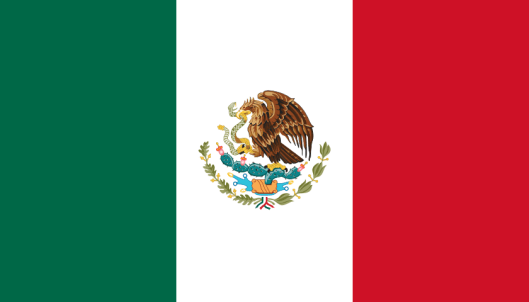
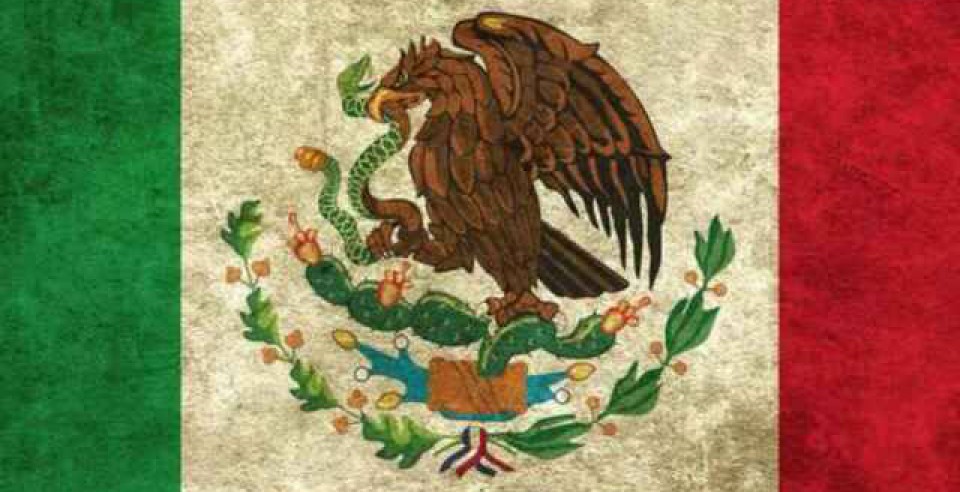
The Mexican flag has a similar connection to Balance and Harmony but first lets talk about the colors. The Green means “Hope”; the White means “Purity”; the Red means “The Blood of the Heroes” who have given their lives for Mexico. The Eagle & the Snake are a symbol that that Gods asked the Aztec People to find in nature. Once they found this symbol the Aztecs (also known as Mexica People) must start constructing their city there. And so they did, they found the Eagle & the Snake fighting on an Island in Lake Texcoco in 1325 so they build their capital there and called it Tenochtitlan (which means the “Land of Cactus”). When the Spanish conquerors arrived in 1521 they destroyed Tenochtitlan and over its ruins created Mexico City.

For many indigenous people in Mexico, the battle between the Eagle and the Snake represents a balance between Heaven and Earth. Eagles fly in Heaven so they represent Heaven and snakes dwell in the Earth so they represent Earth.

In Mexico, February 24th is “Flag’s Day”. Happy Celebrations!

Flag_of_South_Korea.svgESPAÑOL

A la bandera de Corea del Sur se le conoce como Taegukgi que significa “La Bandera de lo Absoluto”, símbolo que derivó del Taoísmo y posiblemente del chamanismo coreano (refiriéndose a las fuerzas del Yin y el Yang, los colores azul y rojo respectivamente).

A las líneas negras se les conoce como trigramas y representan las fuerzas de la naturaleza. El trigrama con 3 líneas representa el Cielo, el de 4 líneas representa el Fuego, el de 5 líneas representa el Agua y el de 6 líneas representa a la Tierra. En conjunto, el Taeguk  y los trigramas representan el balance y la armonía.

La bandera mexicana tiene una conexión similar con el balance y la armonía pero antes de entrar al tema hablaremos de sus colores. El verde significa la Esperanza, el blanco la Pureza y el rojo la Sangre derramada de los héroes nacionales que sacrificaron sus vidas por México.

El águila y la serpiente simbolizan la “Señal” que los dioses le dieron al pueblo Azteca para localizar el lugar donde deberían de fundar su capital. Y así fue, justo en el Lago de Texcoco los mexicas encontraron la señal en 1325 y ahí construyeron Tenochtitlán (que significa Tierra de Nopales). Poco después de la llegada de los conquistadores españoles en 1521 al Valle de México destruyeron Tenochtitlán y sobre sus ruinas construyeron la actual Ciudad de México.

Según algunos pueblos indígenas, la batalla entre el águila y la serpiente representa el balance entre el Cielo y la Tierra pues las águilas vuelan en el cielo mientras que las serpientes se arrastran sobre la tierra.

¡Celebremos hoy a nuestra bandera!

Is the Oscar “Mexican”?

ENGLISH

On Sunday February 28 the Academy Awards Ceremony will take place. The best directors, actors, writers, etc. will be awarded. Few people know that the “Oscar” was designed by art director Cedric Gibbons who sculpted the golden award inspired by a Mexican actor’s physique: Emilio “El Indio” Fernández who posed for Gibbons following Dolores del Río’s recommendation. According to Bette Davis, the golden statue was named after her first husband Oscar Nelson. Emilio “El Indio” Fernández who was a descendant of the Kickapoo Indians of Northern Mexico, won the Palme d’Or in Cannes, France in 1946.

Good Luck to Mexican director Alejandro González Iñárritu with his movie “The Revenant”! Can he win the Oscar two years in a row?

Oscar 2ESPAÑOL

El domingo 28 de febrero se realizará la entrega de los Óscares en reconocimiento a la excelencia de los profesionales en la industria del cine (directores, actores, escritores, etc.). Pocas personas saben que Emilio “El Indio” Fernández posó para el director artístico Cedric Gibbons (recomendado por Dolores del Río, esposa de Gibbons) siendo Gibbons quien moldeara la famosa estatuilla dorada para la posteridad. Según Bette Davis, la estatuilla dorada fue nombrada en honor a su esposo Oscar Nelson. Emilio “El Indio Fernández”, quien llevaba sangre Kikapú en sus venas, ganó en Cannes la Palma de Oro en 1946.

¡Buena Suerte a Alejandro González Iñárritu! ¿Ganará por segundo año consecutivo el Óscar con su película mas reciente “The Revenant” (El Renacido)?

Color TV: Thank you Guillermo González Camarena!

ENGLISH

Few people around the world know that thanks to a Mexican scientist & engineer from Guadalajara,  Jalisco (Mexico’s 2nd largest city) we are all watching color TV nowadays. Guillermo González Camarena developed the technology to watch color TV. He was born today 99 years ago.

Gonzalez CamarenaESPAÑOL

Hace 99 años nace en la ciudad de Guadalajara,  Jalisco el inventor de la televisión a colores Guillermo González Camarena. Este ilustre tapatío fue fundador de la XHGC (la G y la C son las siglas de sus apellidos), es decir, el Canal 5 de la Ciudad de México.

Culture Shock (on Cross Cultural Day)?

ENGLISH

Today several places around the World celebrate “Cross Cultural Day”. Since many foreigners visit Mexico for tourism or business purposes, it’s important for us Mexicans to be aware of different cultures around the world (specially since our country’s society is not as diverse compared to those in African, Asian & European countries). Being familiar with different cultures fosters understanding. Since Mexico is far from Asia, we might not be very familiar with other religions of the World such as Sikhism…so this lack of awareness could create cultural gaps. My experiences flying in Mexico with Aeroméxico have always been pleasant. Unfortunately, for this passenger his experience was not so pleasant since he was denied access to his Aeroméxico flight  (from Mexico City to New York) for wearing a turban and for “security” reasons when he rejected taking off his turban (usually Sikhs don’t show their hair in public). He has suggested that the airline and airport staff receive cross-cultural training. What effect do you think such training could have on the staff?

BBpgxol.imgESPAÑOL

Hoy se celebra en algunos países del mundo el “Día Intercultural”. México recibe visitantes de muchos países de mundo y por ello es importante estar familiarizado con las principales culturas del planeta para evitar posibles malos entendidos como el que lamentablemente le ocurrió a este pasajero de Aeroméxico al que le fue negado el acceso a su vuelo (de la Ciudad de México a Nueva York) por usar turbante y por cuestiones de “seguridad” al no querer quitarse su turbante. Mis viajes con Aeroméxico siempre han sido placenteros pero quizá el personal en el aeropuerto desconocía que la religión de este señor es el Sijismo (originaria de la India) y que los Sikhs no suelen mostrar su cabello en público. Independientemente de la religión que profesen las personas es importante tener conocimiento y reconocimiento a los “otros” (especialmente en lugares como los aeropuertos internacionales) para fomentar el diálogo y las buenas relaciones interpersonales e interculturales. Este pasajero sugirió “ofrecer una formación cultural” al personal de la línea aérea y del aeropuerto ¿Que efecto crees que tendría dicha formación cultural?