Birdwatching in Mexico (3): Migrations
11 Sunday Oct 2026
Posted in Science & Technology, Trivia
11 Sunday Oct 2026
Posted in Science & Technology, Trivia
15 Tuesday Sep 2026
ENGLISH
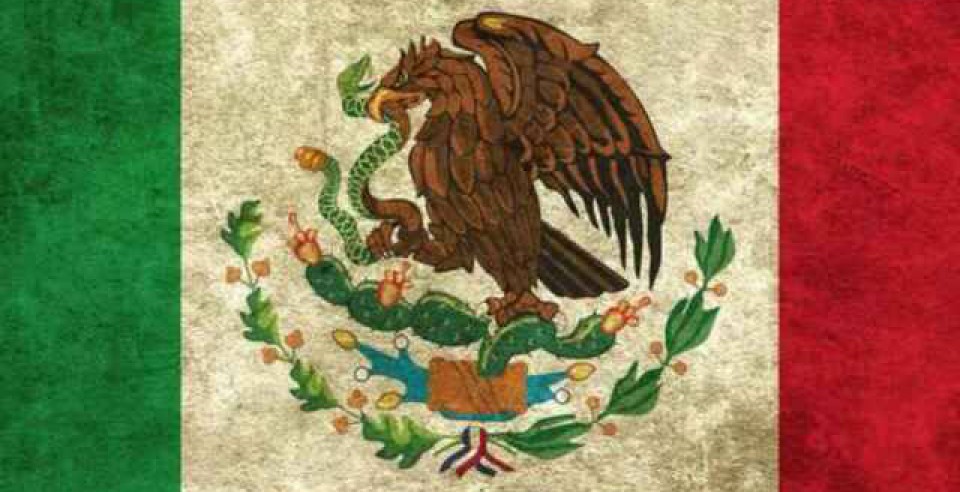
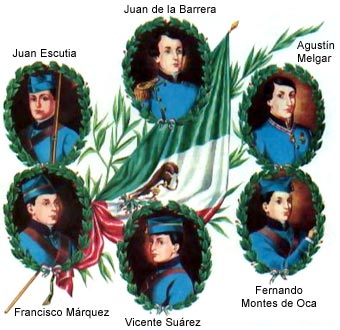
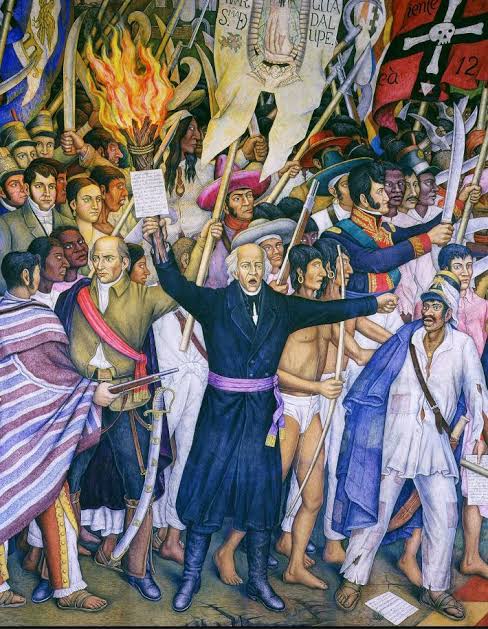
Starting in September, Mexico celebrates many important holidays and festivals through the rest of the year. However, on September 13th Mexicans celebrate “Heroe Children’s Day” honoring the six teenagers that defended the Castle of Chapultepec in Mexico City during the Mexican-American War (1846-1848). A few days later, Mexico celebrates its Independence Day starting on “Independence Night” (September 15) also known as “El Grito” (the cry for Independence) and continuing til the next day with a massive parade. Miguel Hidalgo y Costilla, was the priest that started the War of Independence.
ESPAÑOL
Iniciando septiembre hay una cantidad considerable de festejos importantes en México, pero definitivamente septiembre es “el mes de la patria” para los mexicanos. El 13 de septiembre se recuerda a los adolescentes que defendieron el Castillo de Chapultepec durante la guerra entre México y Estados Unidos ocurrida entre 1846 y 1848. Un par de días después se celebra el grito de la independencia durante la noche del 15 de septiembre y al día siguiente se celebra el inicio de la guerra por la independencia de México. Este año se conmemora el aniversario 216 del inicio de este guerra iniciada por el cura Miguel Hidalgo y Costilla.
01 Tuesday Sep 2026
Posted in Arts & Entertainment, Travel, Trivia
ENGLISH
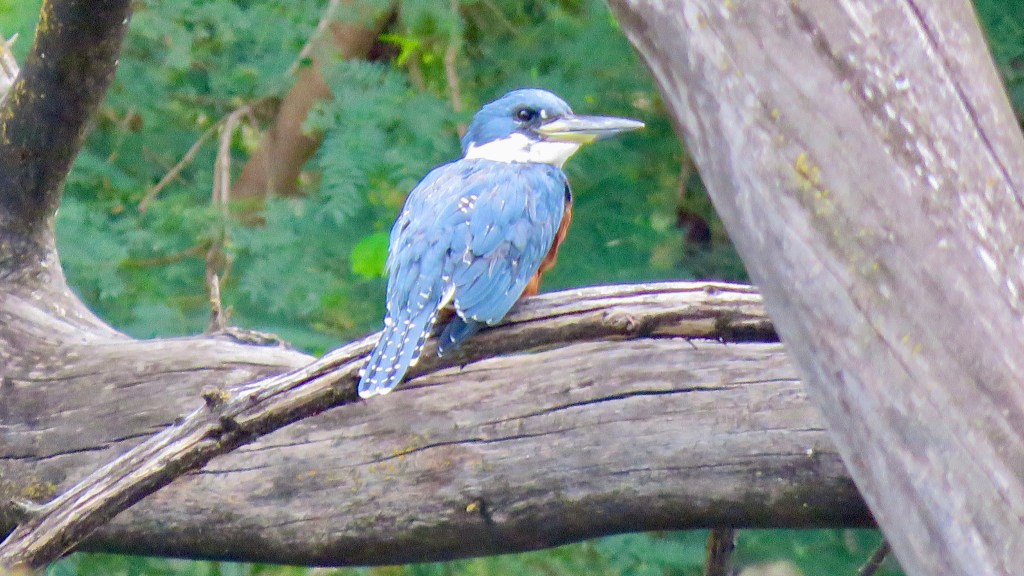
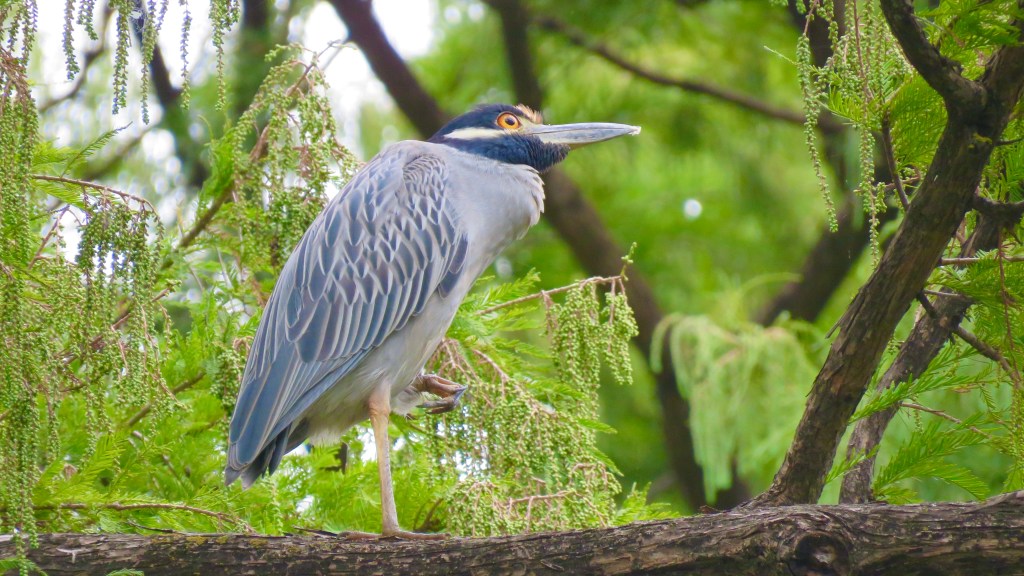
My first memory of birdwatching was when I was 3 years old chasing doves and admiring ducks in Montreal, Canada. Then as a toddler I enjoyed observing cardinals, canaries and mocking birds at my maternal grandma’s house in northeastern Mexico and australian budgies at my paternal grandma’s house. But the first time I registered birds was actually when I was 12 years old living in Indiana, USA and I saw my first Robin and Blue Jay at my relatives backyard. On May 2019 a trip to Palenque, Chiapas, Mexico got me into recreational birdwatching. On February 2026 I had the chance to meet and travel with competitive birdwatchers who are trying to break regional and/or national records in Mexico. I personally prefer a peaceful and joyful birdwatching day where the bird finds you (and your camera) rather than you “anxiously” seeking for the bird.
ESPAÑOL
Mis primeros recuerdos “observando aves” es más bien persiguiendolas en la ribera del río San Lorenzo en Canadá: eran palomas y patos canadienses. Después recuerdo los canarios, cardenales, verdines y cenzontles en casa de mi abuela materna y los periquitos australianos en casa de mi abuela paterna. Sin embargo, mi primer registro fotográfico de aves fue en la casa de mis tíos en Indiana, Estados Unidos donde fotografié petirrojos americanos y arrendajos azules. En mayo del 2019 inicié la observación recreativa de aves en un viaje a Palenque, Chiapas al sur de México y en febrero del 2026 di con un grupo “competitivo” de observadores de aves que buscan alcanzar el primer lugar fotográfico nacional y/o regional. Yo prefiero la manera recreativa de observar aves y que sean ellas las que te encuentren a ti (y tu cámara) en lugar de ser tú el que ansiosamente las buscas a ellas para “romper récords”. Bueno, recreativo o competitivo, lo importante es que estos observadores lo hagan respetando el entorno de las aves.
20 Thursday Aug 2026
ENGLISH
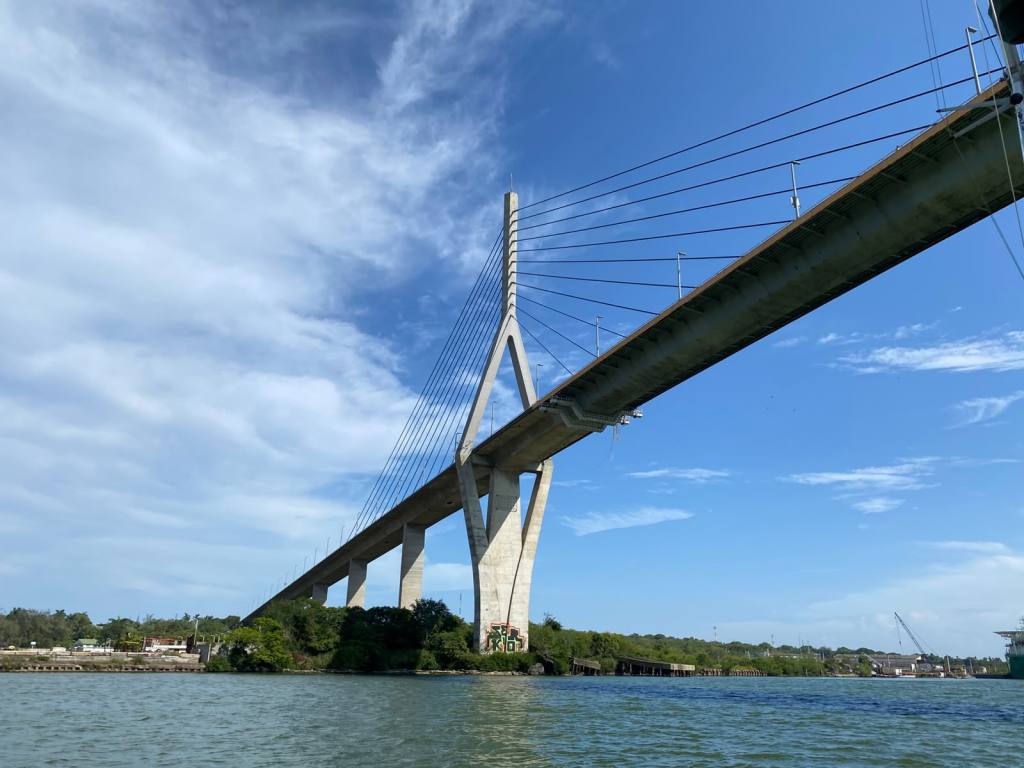
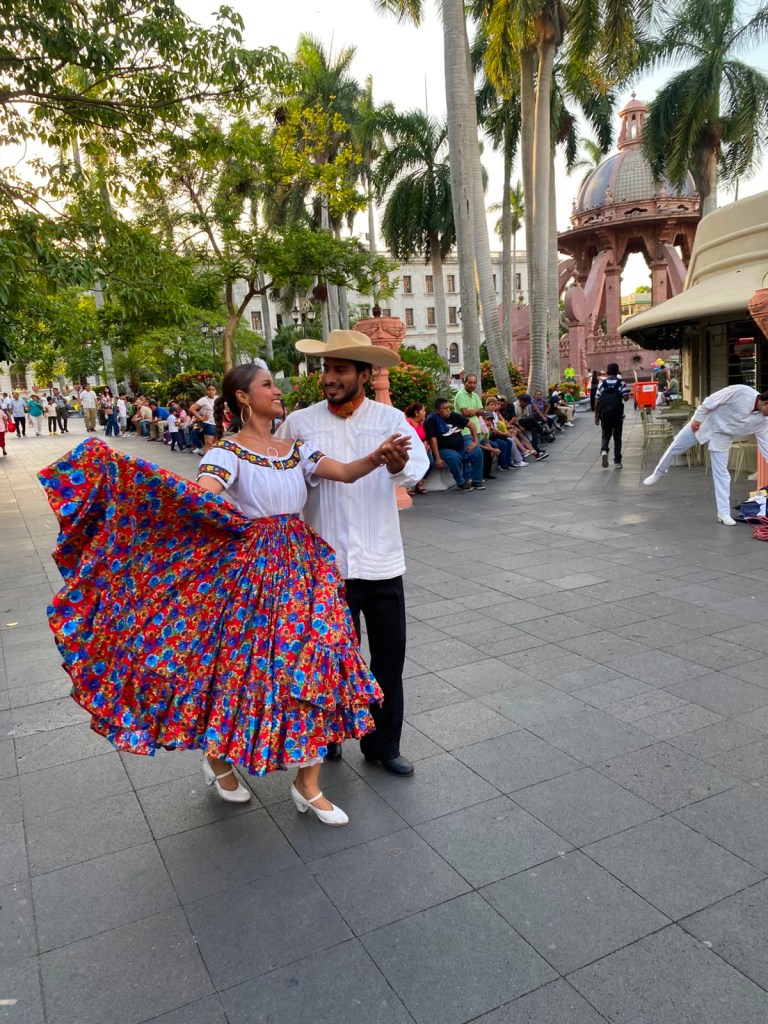
When I was a kid, if you were traveling from northeastern Mexico to southern Mexico along the Gulf of Mexico coastline, you had to wait for hours to cross the Panuco River on a very old ferry. Today a very modern bridge, connects the beautiful port of Tampico, known as the Mexican New Orleans, with the port of Veracruz and cities all along the way to Mexico’s Caribbean paradise: Cancun. Tampico is a crossroad to the Huastec cultures of the states of Veracruz, San Luis Potosí and Tamaulipas.
ESPAÑOL
Cuando yo era niño, tomaba horas cruzar el río Pánuco pues se tenía que abordar un chalán. Hoy, este gran y moderno puente une no solo a Tampico con el resto de las ciudades costeras del Golfo de México, sino a todo el noreste de México. Se puede llegar hasta el paradisiaco puerto caribeño de Cancún cruzando la heróica Veracruz, la ciudad amurallada de Campeche reconocida como patrimonio mundial de la humanidad por la UNESCO y la pintoresca ciudad “blanca” de Mérida. Pero mientras tanto en Tampico, conocida como la “Nueva Orleans” de México, uno puede disfrutar las culturas huastecas de Tamaulipas y los vecinos estados de Veracruz y San Luis Potosí.
20 Monday Jul 2026
ENGLISH
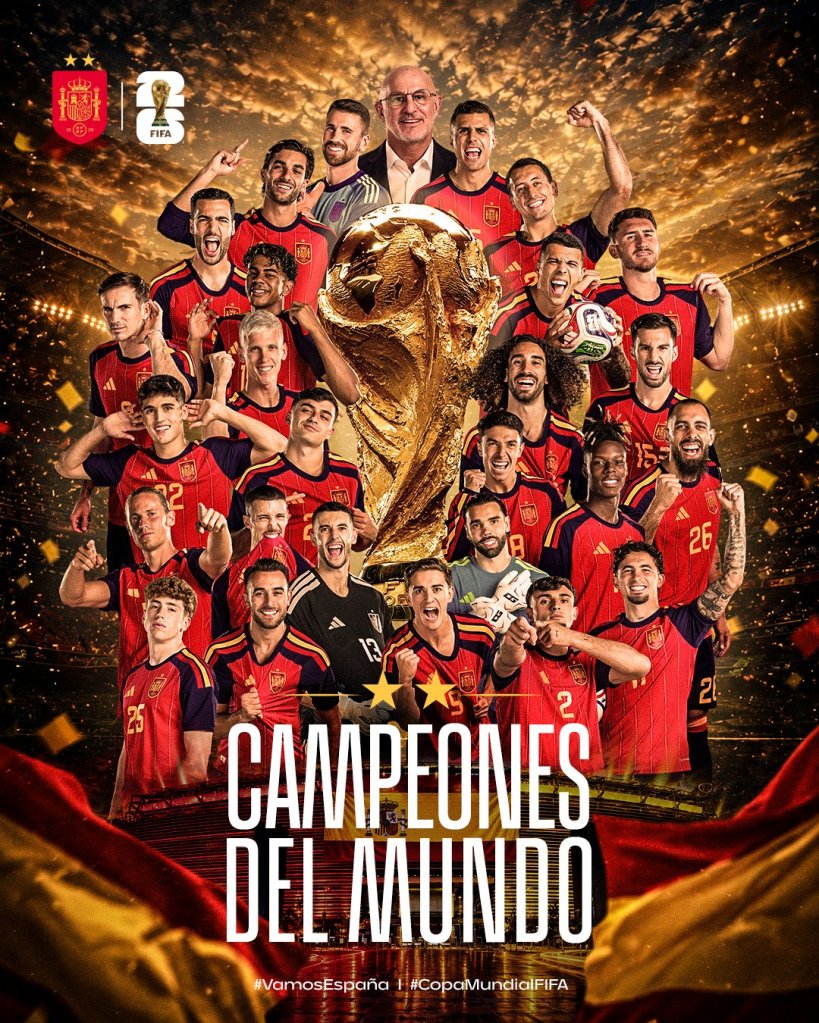
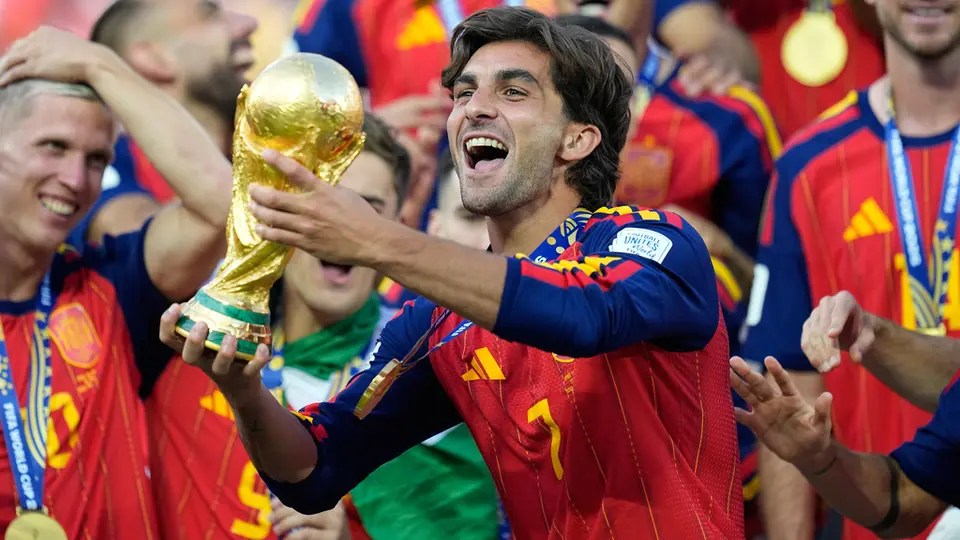
Spain won the 2026 World Cup that took place for the very first time in three different countries: Canada, the United States and Mexico. Twentysix year old Ferran Torres who was born in Valencia, scored the only goal during the game against the current world champion Argentina. Leading the young team is an outstanding head coach Luis de la Fuente who was born in La Rioja, Spain. The 2030 World Cup will also take place in three countries: Morocco, Portugal and Spain. Viva España!
ESPAÑOL
El valenciano de 26 años Ferrán Torres llevó a España a su segundo título mundial al ganar la copa del mundo en el evento ocurrido por primera vez en tres naciones del mundo: Canadá, Estado Unidos y México. Luis de la Fuente, el efectivo director técnico nacido en La Rioja, España reunió y preparó a los 26 jóvenes que realmente se presentaron y jugaron como un EQUIPO. Enhorabuena por España que jugará en el próximo Mundial 2030 que tambien se llevará a cabo en tres países: Marruecos, Portugal y España. ¡Que viva España!

06 Monday Jul 2026
Posted in Sports

ENGLISH
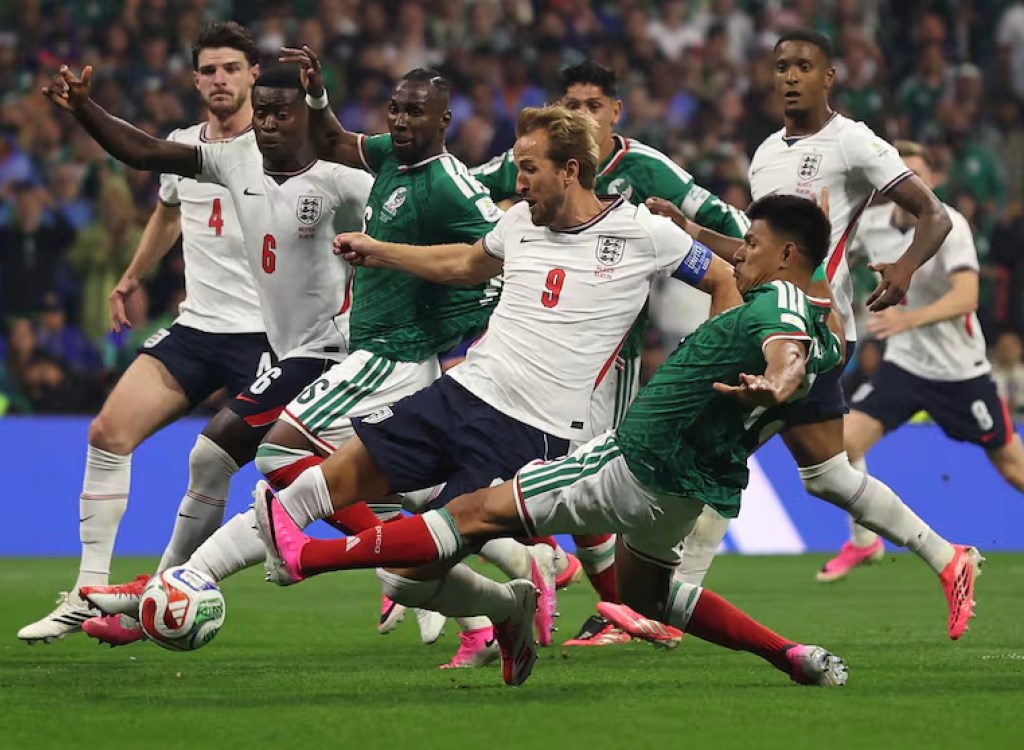
For the first time at anyone of the World Cup competitions, Mexico classified to the next stage having won all three matches against South Africa, South Korea and Czechia. Ecuador was the next team to be defeated and even though the Mexican team lost against England, it played with honor and spirit. Jude Bellingham scored two goals but he earned the respect of Mexican people in the way he honored our team’s spirit and when he exchanged his shirt with the youngest player at the 2026 World Cup: Gil Mora who is 17 years old.
ESPAÑOL
Por primera vez en un mundial, México calificó a la siguiente fase venciendo a sus tres adversarios; Sudáfrica, Corea del Sur y Chequia. Ecuador fué el siguiente rival al que México venció 2-0 pasando al siguiente partido para enfrentar a Inglaterra en el Estadio Azteca. Aunque la selección mexicana perdió 3-2 la afición mexicana quedó satisfecha con el desempeño y garra con el que los 11 jugadores se entregaron al público. Jude Bellingham también se ganó al público mexicano al mostrar su respeto por nuestro equipo y al intercambiar su playera con con jugador más joven del Mundial: Gil Mora de 17 años. Lo mas importante durante el Mundial fue la actitud de todos los mexicanos por creer en nuestra selección con el famoso cuestionamiento “¿y si sí?”.

01 Wednesday Jul 2026
Posted in Trivia
ENGLISH
A year ago, just 10 days after the new Superman movie was launched (with Krypto as an important character in the movie), I adopted a 4 month Golden Retriever puppy. His original name was Simba, which in Swahili means “lion”. I decided to name him Ari which in hebrew means also “lion”. Ari came home with a few tics and fears that he has gradually been overcoming.

ESPAÑOL
El año pasado, justamente 10 días después de que se estrenara la película Supermán (donde Krypto es uno de los personajes principales de la película), adopté a un cachorrito Golden Retriever de 4 meses de edad que llegó a casa con tics, traumas y miedos que poco a poco ha ido aprendiendo a superarlos haciendo “honor” a su nombre. Originalmente se llamaba Simba que significa “león” en swahili. Yo le cambié el nombre por Ari que también significa león pero en hebreo.
11 Thursday Jun 2026

ENGLISH
Today the World Cup will start in Mexico City. Mexico will become the first country in the World to host the FIFA World Cup three times! Zayu is the Mexican mascot representing energy and happiness! Good luck to all teams competing and we hope that the Mexican team goes as far as possible during this championship!
ESPAÑOL
¡Hoy inicia el Mundial 2026 en México convirtiéndose en el primer país en el mundo en ser anfitrión tres veces! La mascota mexicana se llama Zayu. ¡Buena suerte a todos los países que compiten en el Mundial y esperemos que nuestro país deje una huella inmemorable!
01 Monday Jun 2026
ENGLISH
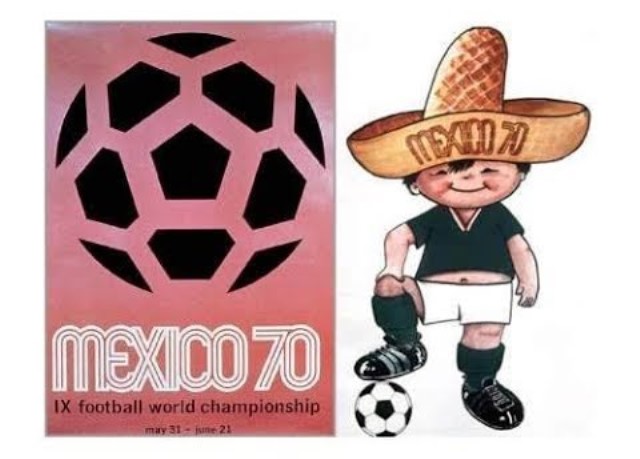
In 2026 Mexico will become the first country in the World to host a World Cup for a third time (it was also the first country in the World to host it twice 40 years ago).
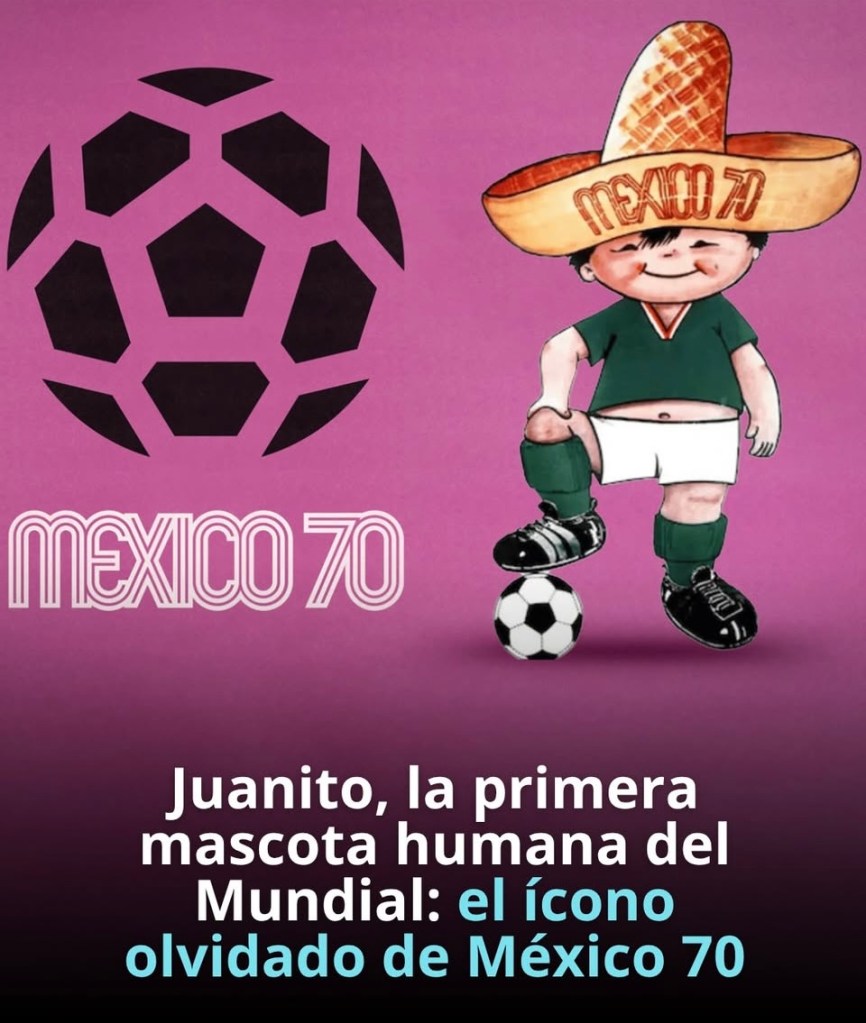
In 1970 the World Cup took place from May 31 to June 21 and the champion was Brazil. Juanito was the World Cup’s mascot (it was also the first “human” mascot in World Cup history).
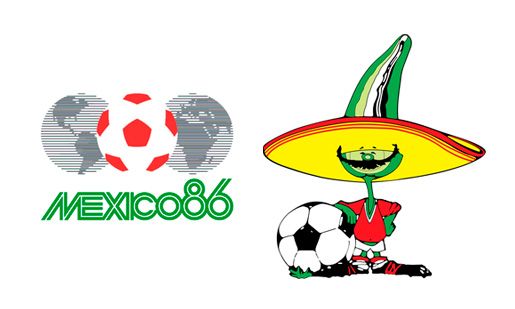
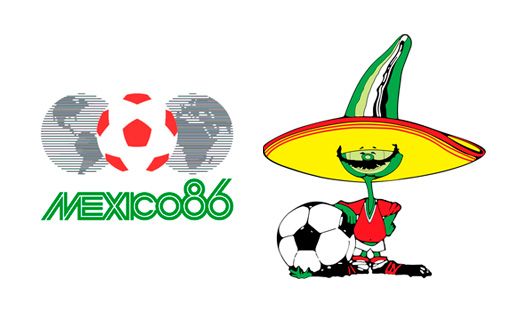
In 1986 the World Cup took place from May 31 to June 29 and the champion was Argentina. Pique, a spicy hot pepper was the World Cup’s mascot.
In 2026 the World Cup will take place from June 11 to July 19. Zayu, a sporty Jaguar is one of the three World Cup’s mascot representing Mexico along with an American and Canadian mascots.
ESPAÑOL
En el verano del 2026 México se convertirá en el primer país del mundo en ser anfitrión del Mundial de Futbol tres veces (también fue el primero en ser anfitrión dos veces hace 40 años).
En 1970 el Mundial tuvo lugar del 31 de mayo al 21 de junio siendo campeón Brasil. La mascota del Mundial fue el simpático Juanito.
En 1986 el Mundial tuvo lugar del 31 de mayo al 29 de junio siendo campeón Argentina. La mascota del Mundial fue el mexicanísimo chile jalapeño Pique.
En 2026 el Mundial tendrá lugar del 11 de junio al 19 de julio. Zayu, un atlético y cultural jaguar, será la mascota mexicana del Mundial junto a las mascotas canadiense y estadounidense.

23 Saturday May 2026
Posted in Science & Technology, Travel
ENGLISH
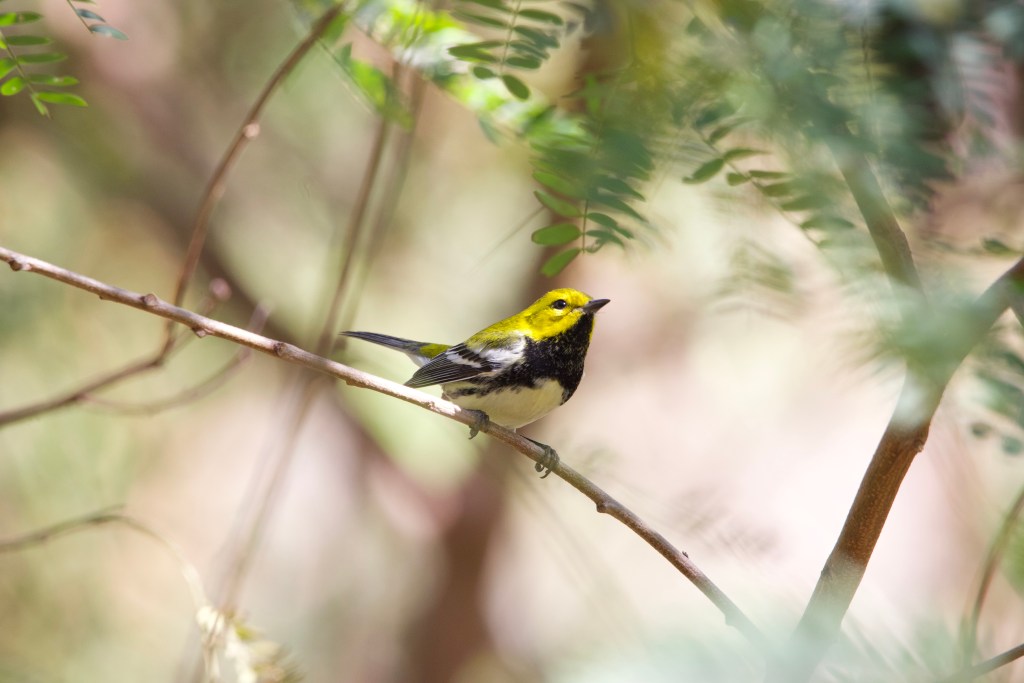
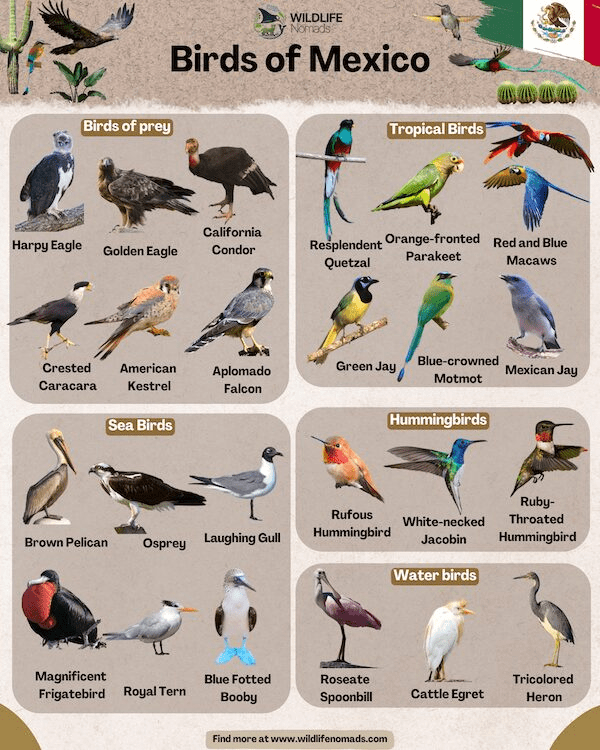
Mexico is the 11th country in the World with the most variety of bird species reaching 1,094. Birdwatchers admire the local birds all year round and enjoy the migration of other birds that travel within the Americas. There is also a big amount of hummingbirds in Mexico. These tiny and speedy birds live in only one hemisphere: the Americas.
ESPAÑOL
México es el 11avo país en el mundo con mayor diversidad de especies de aves alcanzando las 1,094 especies. Los pajareros admiran las aves locales todo el año y disfrutan el paso de las aves migratorias que viajan entre América del Norte y Sur. En México hay una gran variedad de colibríes. Estas pequeñas y rápidas aves solamente viven en el continente americano.

